The dawn of electric transit in Botswana
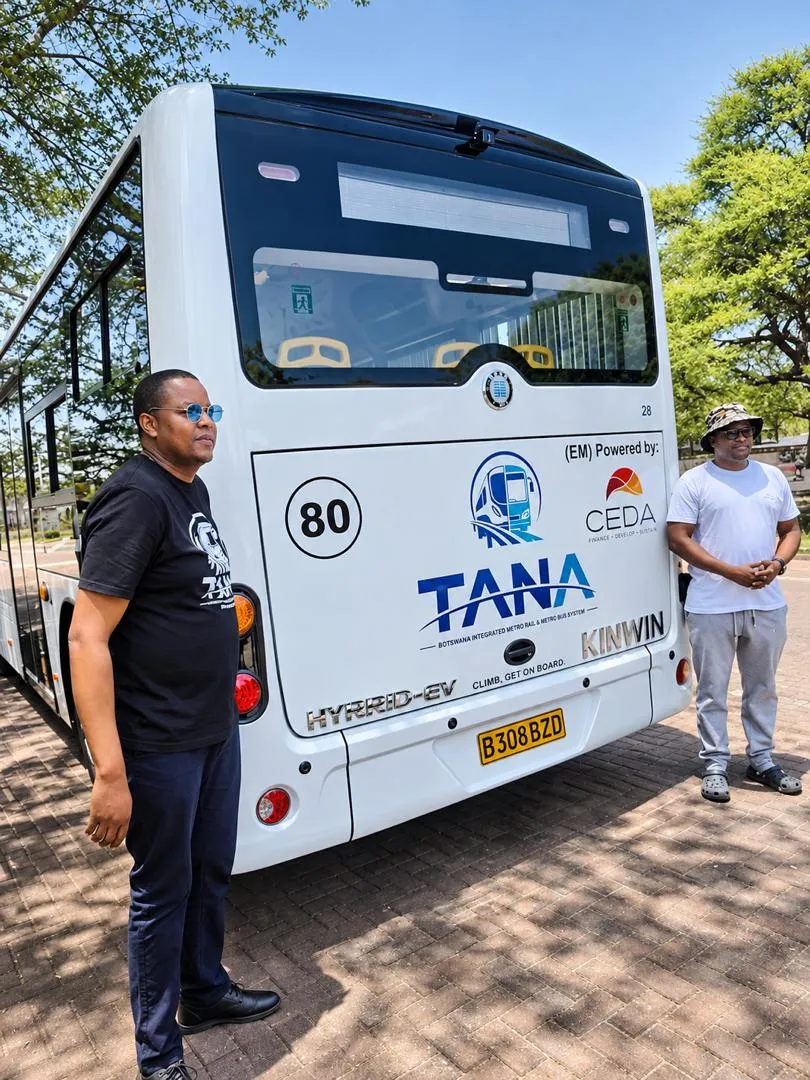
The launch of the TANA Metro bus service on November 1, 2026, marks more than just a new transport option; it signals a structural shift in how Botswana approaches urban connectivity. By introducing fully electric buses to the streets, the initiative moves the conversation from theoretical sustainability to practical, daily application. This transition addresses the growing demand for reliable, modern, and environmentally conscious transit solutions in an era where urban centers are increasingly pressured to reduce their carbon footprints.
While the introduction of such advanced technology often raises questions about infrastructure and integration, the TANA Metro project is designed as an iterative learning process. The pilot phase is not merely a rollout but a diagnostic period intended to refine service efficiency through direct commuter engagement.
To ensure the pilot project targets high-demand corridors, the TANA Metro service has identified specific strategic routes that connect residential hubs with commercial centers. The current operational map includes:
Metsimothabe ↔ Tlokweng: Providing essential connectivity for these growing residential areas.
Game City ↔ Phakalane: Linking major retail and high-density residential zones.
Beyond the routes, the technological specifications of the fleet set a new benchmark for local public transport. Each vehicle is equipped with full air conditioning to ensure passenger comfort in the Botswana climate, and complimentary onboard Wi-Fi to cater to the digital needs of modern commuters. This combination of comfort and connectivity is intended to make public transit a competitive alternative to private vehicle ownership.
The most significant impact of the TANA Metro initiative lies in its commitment to decarbonization. As a fully electric fleet, these buses eliminate tailpipe emissions, directly contributing to improved air quality in urban corridors. Unlike traditional diesel-powered buses, the electric motors operate with significantly higher energy efficiency and near-silent performance, reducing both noise and chemical pollution.
By shifting a portion of the commuter load from internal combustion engines to electric propulsion, Botswana moves closer to its long-term environmental goals. This transition is crucial for mitigating the localized effects of urban heat islands and respiratory health issues associated with heavy traffic congestion.
The introduction of electric buses also acts as a catalyst for broader energy discussions. It encourages the development of charging infrastructure and promotes the use of clean energy within the national grid, creating a ripple effect that benefits other sectors of the economy.
A common concern regarding the introduction of large-scale, modernized transit systems is the potential displacement of existing service providers, particularly the local taxi industry. However, the strategic intent of TANA Metro is one of complementation rather than replacement.
The TANA Metro service is designed to handle high-volume, predictable corridor traffic, which often overwhelms smaller vehicles. By absorbing the bulk of long-distance, high-frequency commuting, the electric bus service allows the taxi industry to focus on 'last-mile' connectivity—the crucial links between major bus stops and specific residential doorsteps. This creates a symbiotic ecosystem where different modes of transport work together to provide a seamless, multi-modal network.
FAQ
Which routes does the TANA Metro service cover?
The current pilot routes connect Metsimothabe to Tlokweng and Game City to Phakalane.
Are there any costs for the TANA Metro pilot phase?
The pilot phase is offering complimentary rides to collect public feedback for service refinement.