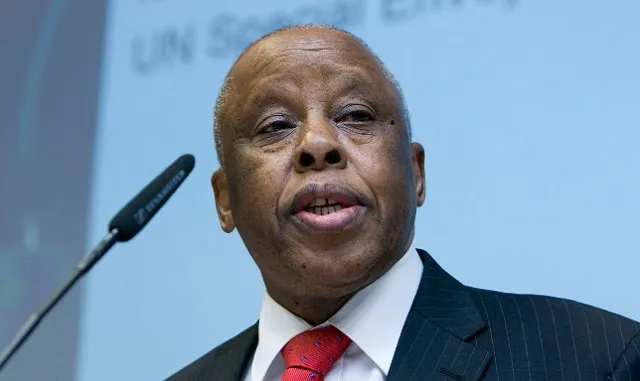
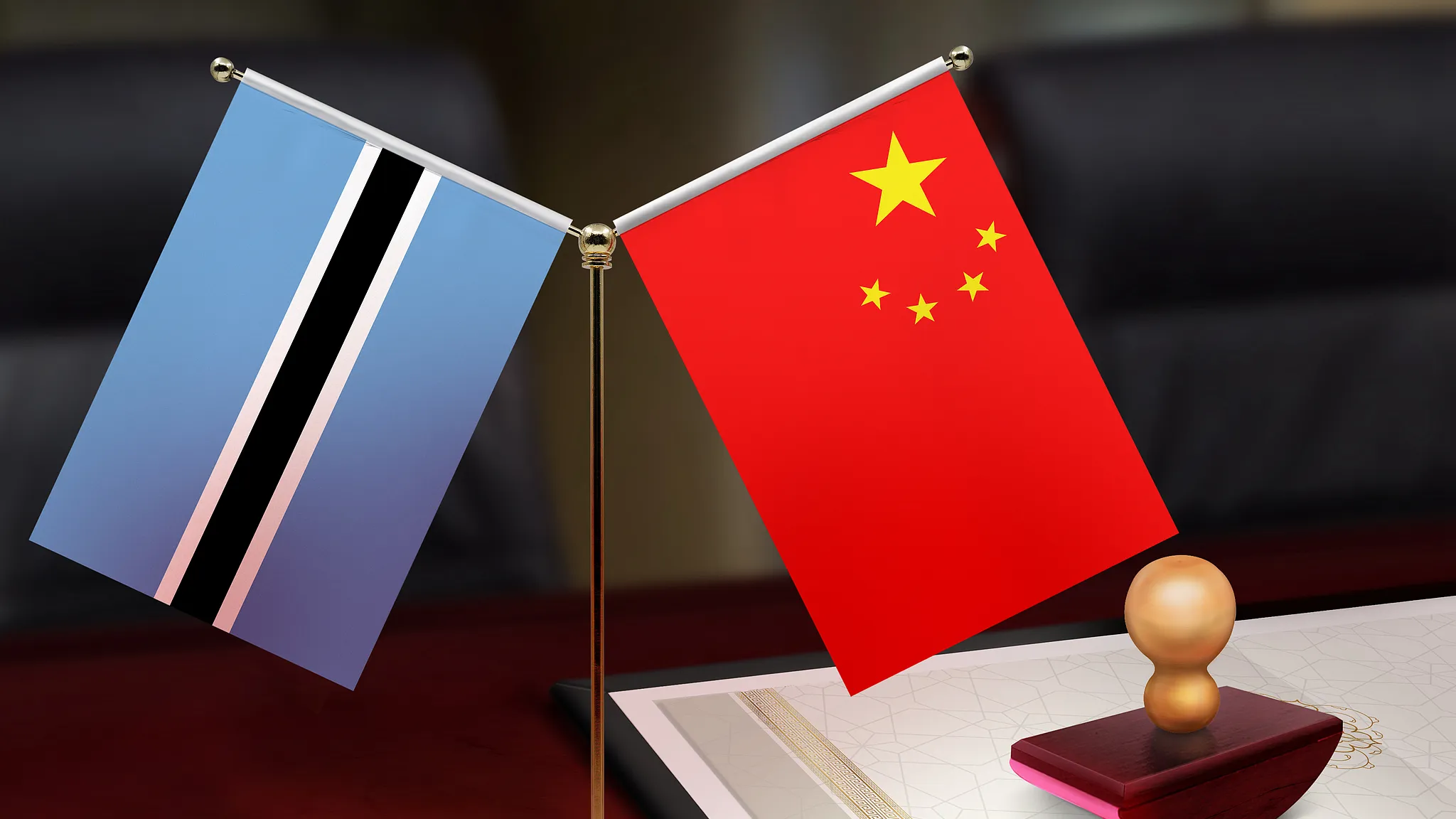
President Advocate Duma Boko’s arrival in Beijing marks a decisive moment for Botswana’s foreign policy and economic diversification strategy. While the official agenda covers a broad spectrum of sectors, the underlying tension lies in how Botswana can leverage Chinese investment to transition from a diamond-dependent economy to a more resilient, multi-sectoral powerhouse.
The bilateral talks are not merely a diplomatic formality; they represent a calculated move to secure technological and infrastructural support. By engaging directly with President Xi Jinping, Botswana seeks to move beyond traditional trade into high-value sectors like digitalization and sustainable agriculture. This meeting arrives at a time when global supply chains are shifting, and Botswana is positioning itself as a stable, reliable partner in Southern Africa.
Core pillars of the Botswana-China economic agenda
The discussions in Beijing are structured around several high-impact thematic areas designed to yield measurable economic returns. According to the official state visit itinerary, the primary focus areas include:
Trade and Investment: Streamlining protocols to increase the flow of goods and capital between Gaborone and Beijing.
Agriculture and Food Security: Implementing advanced Chinese farming technologies to enhance Botswana's sustainable agricultural development.
Digitalization and Infrastructure: Bridging the digital divide through telecommunications investment and expanding physical transport networks.
Health and Education: Strengthening institutional ties and human capital development through bilateral exchange programs.
These pillars are intended to create a holistic framework for growth, ensuring that the partnership provides benefits that reach beyond the corporate elite and into local communities.
A critical component of President Boko's mission is the officiating of the Botswana-China Business Forum. Unlike state-level diplomatic agreements, the forum serves as the practical engine for the partnership, bringing together government officials and private sector leaders from both nations.
The forum is expected to facilitate direct matchmaking between Botswana's emerging industries such as ecotourism and sustainable resource management and Chinese investors seeking stable markets in Africa. For Botswana, the objective is clear: to secure commitments that translate into jobs, technology transfers, and local capacity building.
The success of this visit will likely be measured by the concrete MoUs signed during the forum and the subsequent implementation of digital and agricultural projects. If the talks result in significant infrastructure investment, Botswana could see an accelerated pace of urbanization and industrialization.
Furthermore, the emphasis on defense and security discussions suggests a desire to build a more robust framework for regional stability, which is essential for attracting long-term foreign direct investment. However, the challenge remains in ensuring that these partnerships align with Botswana's sovereign goals of ethical resource management and environmental conservation.
The state visit of President Advocate Duma Boko to China represents a significant step in Botswana's pursuit of economic modernization and global integration. By focusing on high-growth sectors such as digitalization and sustainable agriculture, the bilateral talks aim to create a robust foundation for mutual prosperity. As the discussions in Beijing unfold, the international community will be watching to see how this strengthened partnership reshapes the economic landscape of Southern Africa.
FAQ
What sectors are prioritized in the Botswana-China economic agenda?
The priority sectors include trade and investment, agriculture and food security, digitalization and infrastructure, and health and education.
Why is President Duma Boko visiting Beijing in 2026?
President Boko is conducting a high-level state visit to engage in official talks with President Xi Jinping to expand economic and strategic cooperation.