What is the Googlebook and how does it differ from a Chromebook?
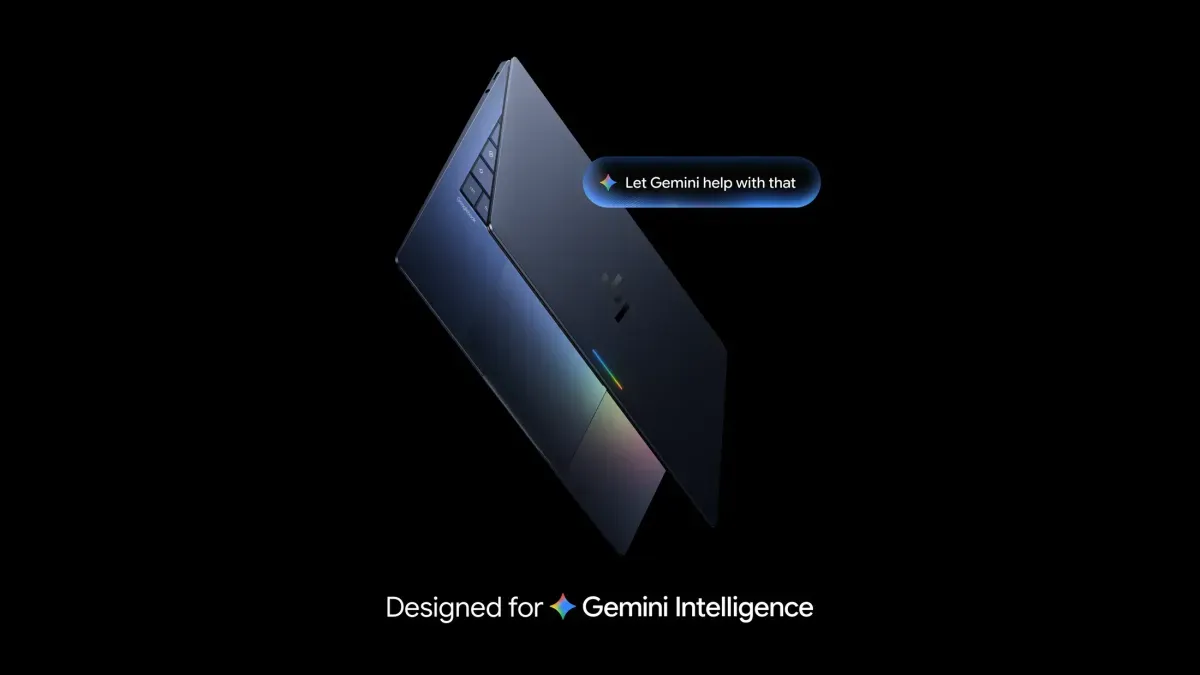
The Googlebook is a premium, AI-centric laptop priced at $899 that serves as a functional successor to the traditional Chromebook. While Chromebooks have long been the standard for lightweight web browsing and education, the Googlebook shifts the underlying architecture to Android OS, supplemented by a desktop version of the Chrome browser and familiar ChromeOS elements. This architectural change allows for deeper integration of Google’s Gemini AI directly into the operating system rather than relying solely on browser-based extensions or third-party applications.
Google is positioning this device as a way to move beyond the 'web-first' mentality of previous years toward an 'AI-first' computing model. By baking Gemini into the hardware and OS, Google aims to provide a more seamless experience where artificial intelligence is a constant companion rather than a tool you have to actively open and prompt.
The transition from ChromeOS to Android-based AI computing
The shift to an Android-based foundation is critical for the Googlebook's value proposition. While it retains the ease of use found in ChromeOS, the Android core enables a more robust ecosystem of mobile-optimized AI applications and deeper system-level integrations. This allows Google to implement features that require tighter control over hardware resources and user interface elements, such as the specialized AI cursors and real-time dictation tools that define the new product line.
AI features of the Googlebook
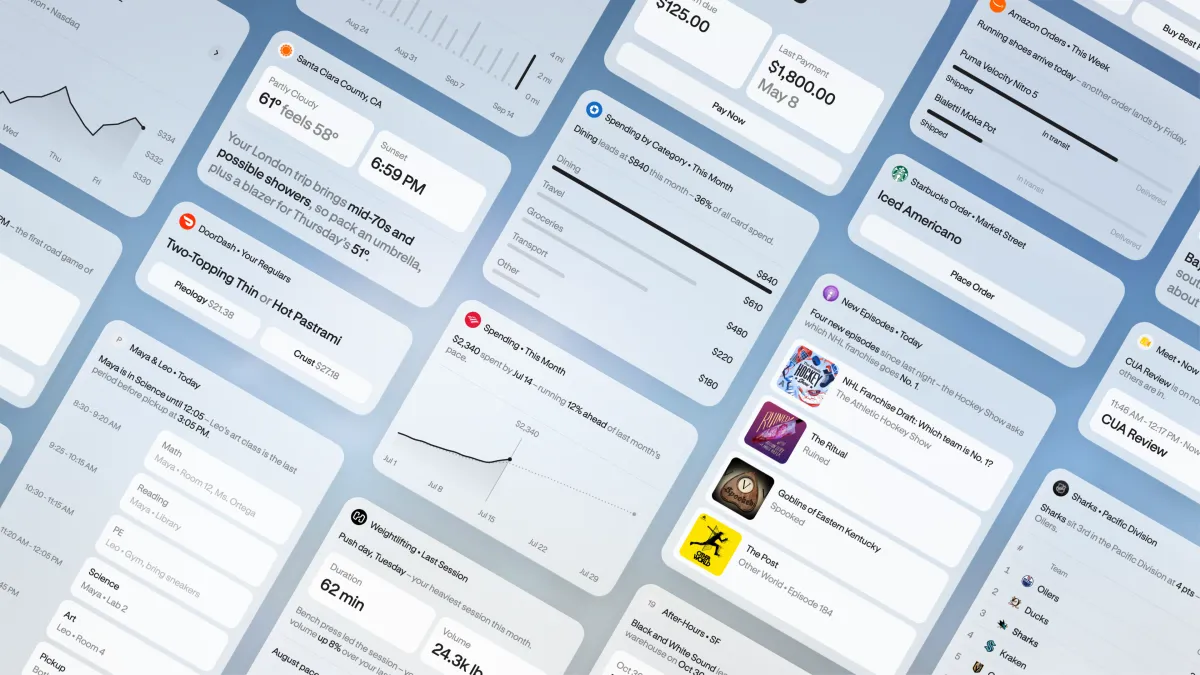
The Googlebook introduces several proprietary AI-driven features, most notably 'Magic Cursor,' 'Rambler,' and 'vibe-coded widgets.' These tools are designed to reinvent the traditional point-and-click desktop experience by making the cursor an active conduit to the Gemini AI engine. Instead of merely selecting text, the cursor becomes a way to interact with the intelligence of the machine.
The Magic Cursor allows users to perform complex tasks through simple gestures. For example, a user can highlight content on a webpage to trigger Gemini's analysis, hover over an email to ask the AI if the message appears suspicious or select multiple images to ask Gemini to visualize them in a unified way. This mirrors the 'Circle to Search' functionality found on Android smartphones, bringing a similar intuitive interaction model to the laptop screen.
Another significant feature is Rambler, an AI-enhanced dictation tool. Rambler is designed to solve the problem of 'brain dumping'—the process of recording unorganized, rambling thoughts. The AI processes these messy inputs and cleans them into structured, readable text, making it a potentially high-utility tool for students and professionals alike. While some features like Gemini Spark and Gemini Live do not strictly require this specific hardware, the Googlebook is optimized to run them with lower latency and higher efficiency.
Technical specifications and hardware partnerships
To support these intensive AI workloads, Google has partnered with major hardware manufacturers including Acer, ASUS, Dell, HP, and Lenovo. These flagship devices are built with premium materials such as aluminum, magnesium alloy, and carbon fiber, moving the Googlebook brand into a more sophisticated hardware tier than the entry-level Chromebooks of the past.
The hardware is engineered to handle the demands of local and cloud-based AI processing. Key technical specifications include:
Displays: Up to 2.8K OLED panels for high color accuracy and clarity.
Processors: Powered by Intel or Qualcomm chips, specifically paired with dedicated Neural Processing Units (NPUs) to handle AI tasks locally.
Input: Haptic glass trackpads and backlit keyboards for a premium tactile experience.
Battery Life: Google claims up to 14 hours of battery life on a single charge.
The inclusion of dedicated NPUs is perhaps the most important technical distinction. By offloading AI computations from the main CPU to a specialized processor, the Googlebook can maintain responsiveness and battery efficiency even when running complex Gemini-driven tasks like real-time text restructuring or image analysis.
What is included in the Googlebook purchase package?
Google is attempting to increase the immediate value of the $899 investment by bundling premium services. Each Googlebook purchase includes 12 months of Google AI Pro. This subscription package is substantial, providing users with 5TB of cloud storage and access to Gemini Advanced tools, which are more capable versions of the standard AI model.
Furthermore, the bundle includes three months of YouTube Premium and access to other professional tools like Adobe Photoshop. This bundling strategy suggests that Google is not just selling a laptop, but a complete productivity ecosystem designed to compete with high-end Windows and macOS machines that often require separate, expensive subscriptions for similar professional-grade software and cloud services.
Conclusion
The launch of the Googlebook marks a pivotal shift in Google's hardware strategy, moving from providing web-based tools to delivering dedicated AI hardware. By integrating Gemini into the very fabric of the operating system through features like Magic Cursor and Rambler, Google is attempting to redefine the desktop experience. While the success of this transition depends on whether AI-native features can justify the $899 price tag, the strategic focus on the massive K-12 market and the bundling of premium AI services suggests a well-calculated move to secure Google's dominance in the next era of personal computing.