Cattle have always carried meanings far beyond meat on a plate in Botswana. They represent wealth, family bonds and the habit of sharing that turns a public holiday into a collective affair. In many Gaborone wards, families time their independence plans around the promise of donated beasts and the free meals that follow at open grounds. When those donations arrive, households often scale back their own cooking because they count on the communal feast. The current FMD controls have broken that expectation, leaving some residents with a quieter, less generous sense of the day.
Health restrictions on moving and slaughtering livestock have made it difficult for well-wishers to deliver cattle to their wards. In affected zones the usual slaughter simply cannot take place. People who once looked forward to large shared plates now face smaller gatherings or none at all. The shift comes at a time when many households already feel the pinch of tighter budgets, so communities must mark the anniversary without the familiar centrepiece of shared beef.
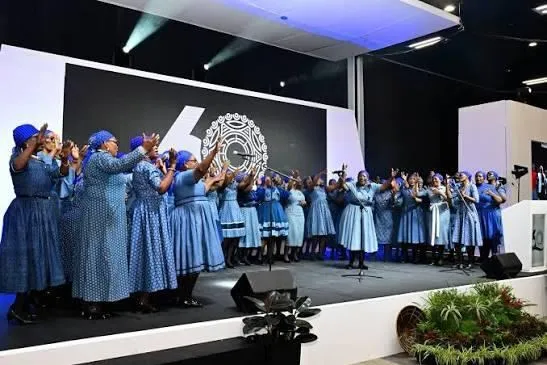
City authorities divided P750,000 across five constituencies. Four of those constituencies contain seven wards each and one holds six, giving a total of thirty-four wards. In addition, each of the thirty-eight Urban Development Committees received P10,000 to run smaller events closer to people’s homes. Mayor Oarabile Motlaleng has indicated that part of the constituency allocation should also reach local artists so they can earn from performances during the celebrations.
The mayor’s approach channels some funds directly to performers who will entertain crowds at constituency level. At the same time the P10,000 grants to Urban Development Committees allow groups to stage music, dance and talks inside their own neighbourhoods. The aim is to keep the feeling of unity intact even when large central feasts are no longer possible. By spreading resources this way, organisers hope to support small businesses and creatives while still giving residents reasons to gather.
Building Resilience, Driving Prosperity asks citizens to stay united and discover fresh ways to mark national days. In Gaborone that call translates into using the allocated money to hire local talent and run activities that bring people together without relying on the traditional cattle feast. The theme therefore becomes both a reminder of past customs and an invitation to adapt them under current constraints.