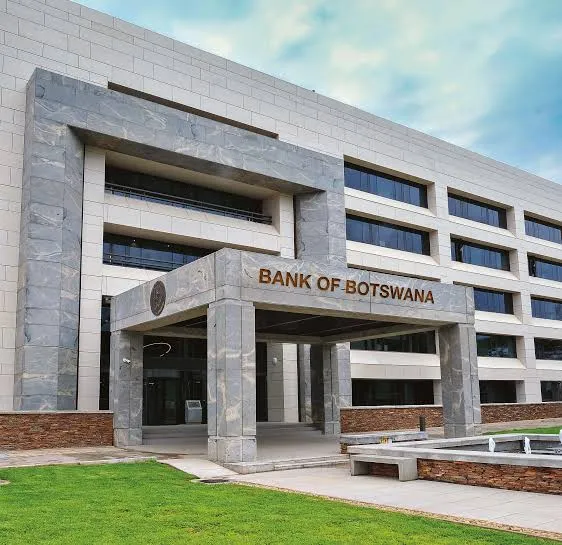
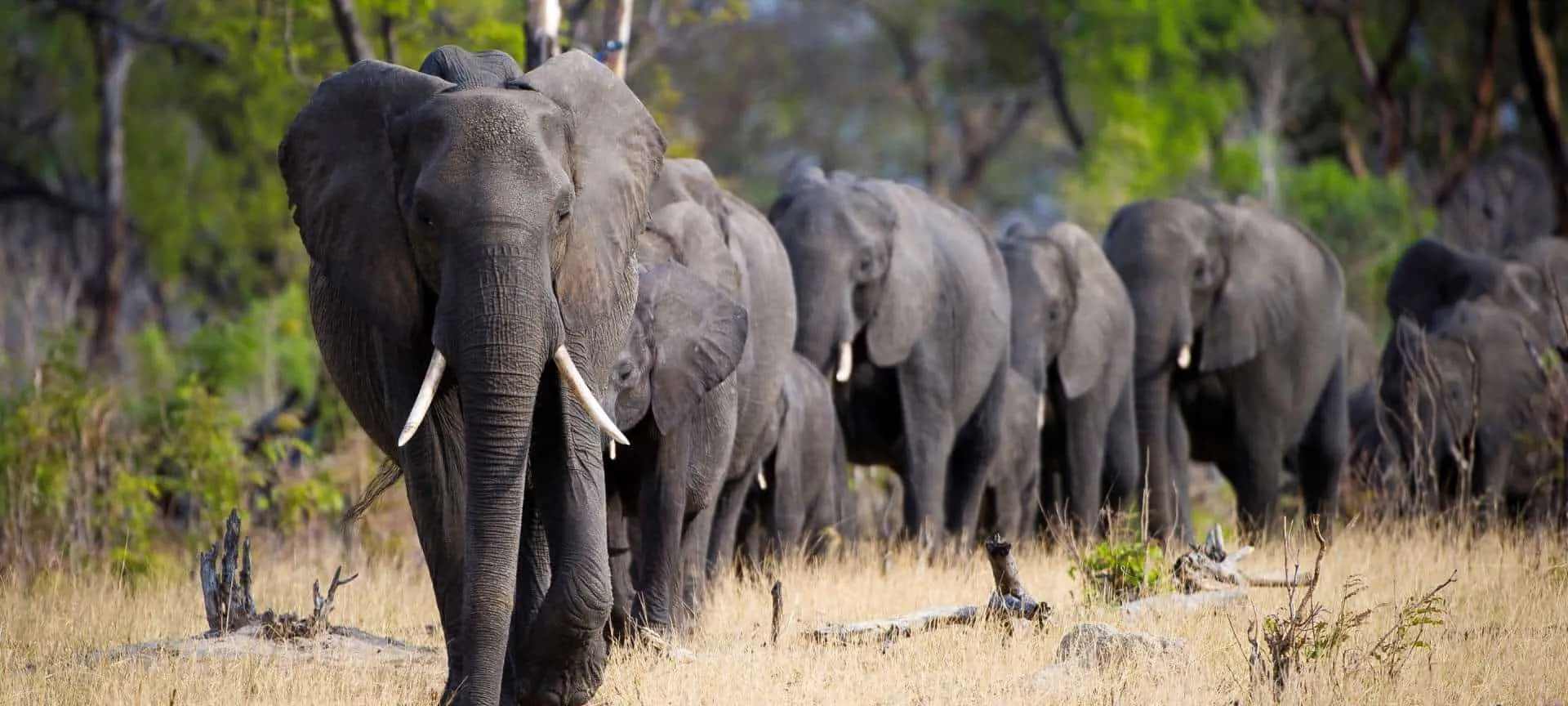
For decades, conservation in Southern Africa was often viewed through a top-down lens, where centralized government mandates dictated the movement and management of wildlife. However, the 2026 landscape in Botswana reveals a significant pivot toward community-driven conservation. This transition is not merely a policy shift but a fundamental recognition that long-term ecological success is inseparable from the well-being of the people living alongside wildlife.
The tension between elephant conservation and local community needs has historically been a point of friction. As elephant populations fluctuate and migrate, they often enter agricultural lands, leading to crop destruction and threats to human safety. By empowering local communities to lead these conservation efforts, Botswana is attempting to transform wildlife from a perceived liability into a shared economic asset.
How community empowerment mitigates human-wildlife conflict
One of the most pressing challenges in Botswana is the management of human-wildlife conflict (HWC). When local communities feel that conservation policies prioritize animals over people, resentment grows, often leading to retaliatory actions against wildlife. Community-driven models address this by giving residents a direct stake in the outcomes of conservation activities.
Successful projects in 2026 utilize local knowledge to monitor elephant movements. Community rangers, often recruited from the villages themselves, possess an intimate understanding of the terrain and animal behavior. This localized expertise allows for more effective deterrent strategies that protect crops without harming the elephant population.
Economic incentives through sustainable ecotourism
Empowerment is also driven by economic integration. Through sustainable ecotourism, a portion of the revenue generated from wildlife safaris is reinvested directly into community infrastructure, such as schools and health clinics. This creates a tangible link between the presence of healthy wildlife populations and improved standards of living, turning conservation into a driver of regional prosperity.
The management of Botswana's massive elephant population remains a subject of intense international debate. Critics often point to the potential for overpopulation to degrade sensitive ecosystems, while local communities argue that the presence of large herds threatens their traditional way of life and food security.
The analytical question facing policymakers in 2026 is how to maintain ecological equilibrium without marginalizing the human element. Recent successes in community-led corridors where land is managed collectively to allow safe migration, suggest that there is a middle ground. These corridors reduce the frequency of encounters in high density human areas while ensuring that elephants can access essential water and food sources.
The global stance on Botswana's conservation model
The international community's view of Botswana's conservation efforts is evolving. While there have been historical concerns regarding the transparency of wildlife management, the move toward documented, community-led success stories is beginning to reshape the global narrative. International NGOs and conservation bodies are increasingly looking to Botswana as a case study in how to integrate social justice with environmental stewardship.
By highlighting these successes, Botswana can correct misinformation and demonstrate that conservation does not have to come at the expense of human rights. The goal is to move the conversation from one of 'conflict' to one of 'coexistence,' where the survival of the species and the prosperity of the people are seen as mutually reinforcing objectives.
The future of conservation in Botswana depends on the continued integration of local voices into the decision-making process. While the challenges of elephant management and human-wildlife conflict are significant, the move toward community-driven models offers a promising path forward. By prioritizing empowerment and economic inclusion, Botswana is not only protecting its iconic wildlife but also building a more resilient and prosperous foundation for its people.
FAQ
How does community-driven conservation help local people?
It provides jobs in ecotourism and ensures conservation revenue funds local infrastructure like schools and clinics.
What is the main cause of human-wildlife conflict in Botswana?
The overlap between elephant migration paths and human agricultural land is the primary driver of conflict.