The strategic role of regulated hunting in Botswana's conservation model
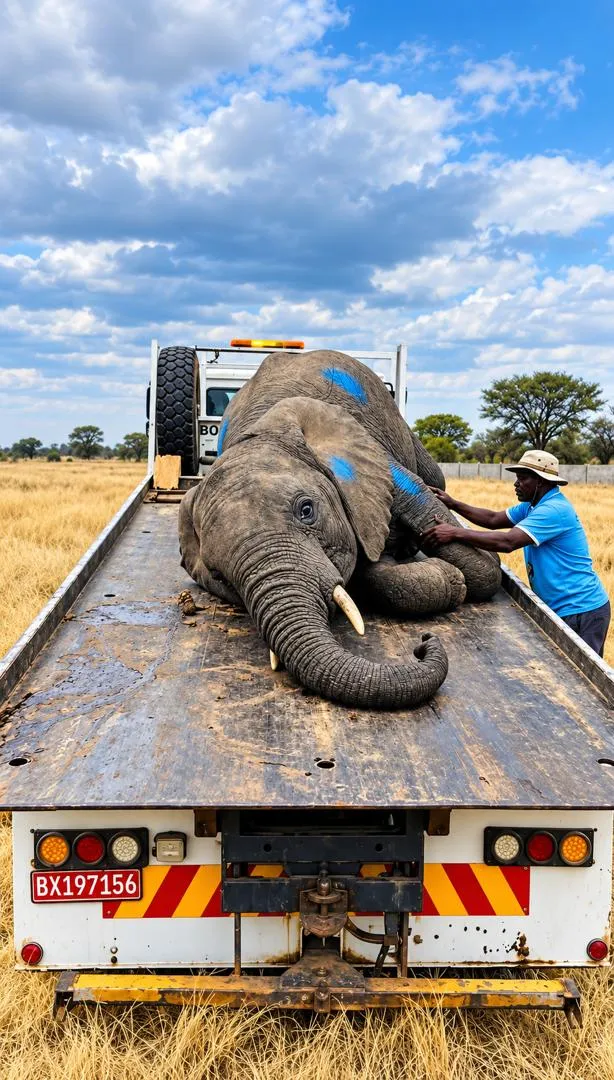
The decision by the Ministry of Environment and Tourism to authorize the distribution of meat from 23 elephants during the 60th Independence Day celebrations serves as a practical application of Botswana's integrated wildlife management policy. Rather than viewing these measures in isolation, they must be understood as part of a sophisticated system that addresses the complexities of living alongside the world's largest elephant population.
By managing elephant numbers through regulated quotas, the government aims to reduce the frequent and costly human-wildlife conflicts that arise when animals encroach on agricultural lands. This approach provides a mechanism to balance the needs of the country's 130,000+ elephants with the safety and economic stability of the rural communities that share their habitat.
A critical component of Botswana's strategy is the direct reinvestment of wildlife-related revenue into the ecosystems and communities that host these animals. This economic cycle ensures that wildlife is viewed as a valuable national asset that provides tangible benefits to the people living on the front lines of conservation.
According to recent parliamentary reports, special elephant quotas raised approximately 15.6 million pula ($1.1 million) in 2025. These funds are specifically earmarked for development projects in elephant-rich areas, supporting infrastructure, education, and environmental protection. This revenue stream transforms wildlife management from a purely regulatory task into a powerful engine for local economic empowerment and sustainable resource management.
For many rural residents in districts like Chobe, the presence of large elephant populations presents significant challenges, including crop destruction and damage to property. The government's policy of distributing meat from regulated hunts offers a direct way to provide nutritional support to these communities while managing the risks posed by high elephant densities.
While the distribution process itself is subject to ongoing refinement—with local leaders suggesting improvements in hygiene and logistics through pre-packaged distribution—the underlying principle remains sound. By integrating the benefits of wildlife into the local economy, the government fosters a sense of ownership and stewardship among citizens, which is essential for long-term conservation success.
Botswana's approach to wildlife has undergone significant shifts, moving from the strict trophy hunting bans of 2014 to the current, more nuanced management model. Under the leadership of successive administrations, the focus has remained on finding a sustainable equilibrium that protects biodiversity while ensuring that wildlife remains an economic driver.
The current administration continues to uphold the principle that regulated hunting is a vital tool for population control and revenue generation. This stance is supported by the fact that many communities living in high-density elephant areas rely on the economic opportunities provided by the tourism and wildlife sectors to maintain their livelihoods and protect their traditional ways of life.
FAQ
How does Botswana manage its elephant population?
Through a regulated quota system that balances population control with community benefit.
What is the benefit of elephant quotas?
They generate revenue for local development and conservation projects.